AI Tech虎嗅
Hands-On Test of Gemini 4 Argon: Google's Stumbling Last-Ditch Effort
AI Summary
Google has made Gemini 4 Argon generally available after first announcing it on October 1 for a security program. Following a year of talent departures and delayed model launches, the model is widely seen as a last-ditch effort for Google. Hands-on testing suggests it will struggle to challenge Claude Opus 5.5 or GPT-6 Astra.
AI Insights
Google's Gemini 4 Argon arrives after a turbulent year of talent departures and delayed releases, positioning it as a make-or-break release for the company. Early hands-on results suggest it has not yet displaced Claude Opus 5.5 or GPT-6 Astra at the frontier, especially in coding and agentic tasks. Its strategic value may lie more in pricing pressure, multimodal breadth, and long-output positioning for knowledge work than in clear leadership on benchmarks.
Analysis written by AI from the original article. Check it against the source.
Translated text
Related News
AI Tech36氪
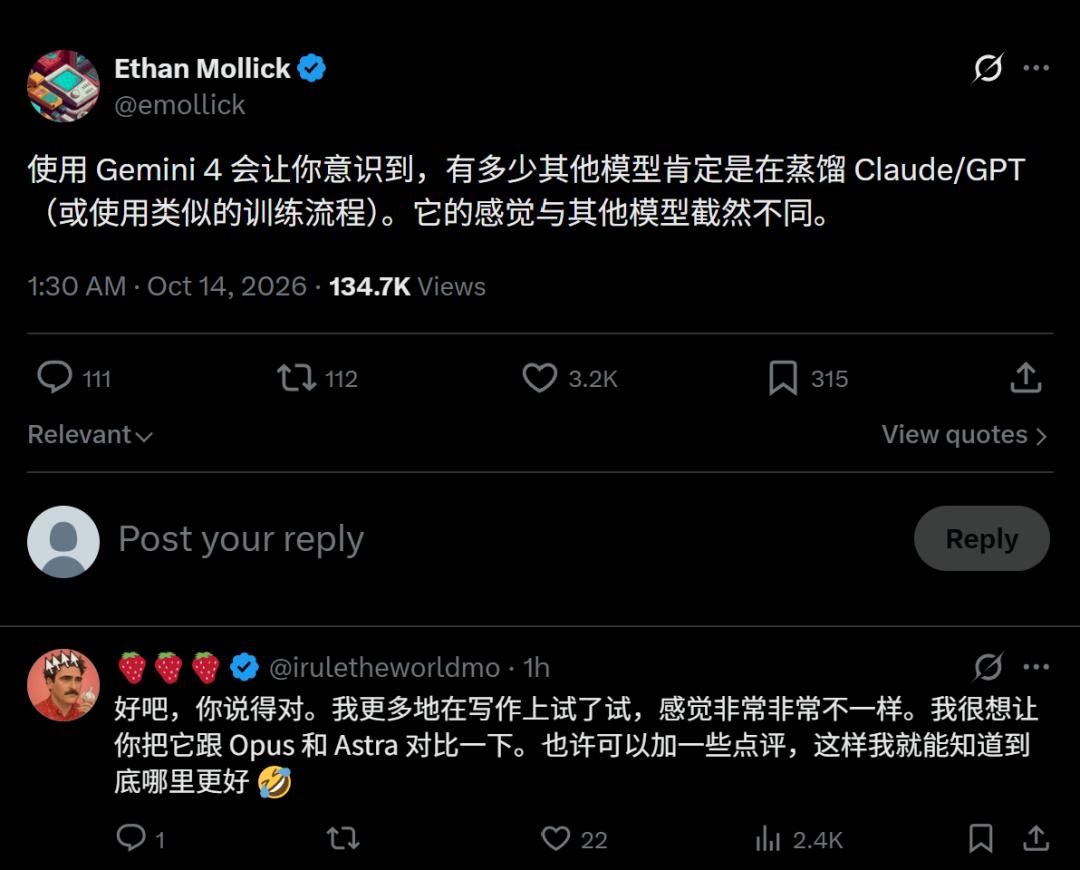
Google Awakens to Physics: Gemini 4 Argon Hands-On Tests Pour In
Google's Gemini 4 Argon has launched and reportedly competes closely with GPT-6 Astra and Claude Opus 5.5 on benchmarks, at about one-fifth the price and several times faster. Hands-on tests showed strengths in 3D generation, physics-intuitive visualization, and scientific reasoning, though its Chinese-language narration sounded awkward.
AI Tech36氪
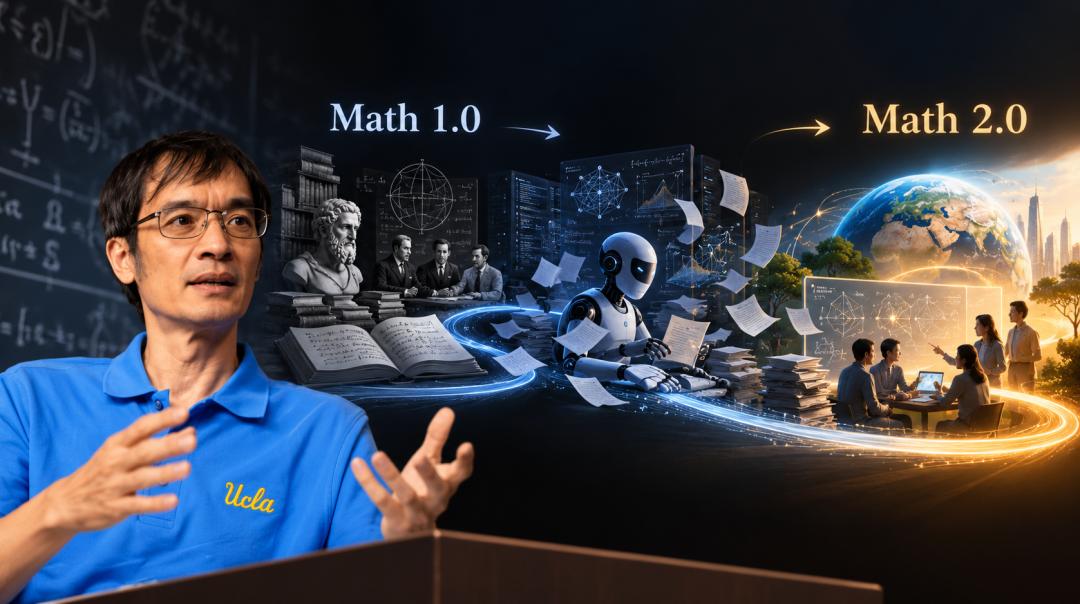
Proof Explosion Reshapes Mathematics: AI Pushes Terence Tao Toward 'Math 2.0'
On October 9, Fields Medalist Terence Tao gave a Caltech lecture, retitled 'Math 2.0' as AI advances rapidly. He argues mathematics has shifted from an era of scarce proofs to one of abundant proofs. He warns that producing answers without human understanding is a dangerous path.
AI Tech36氪
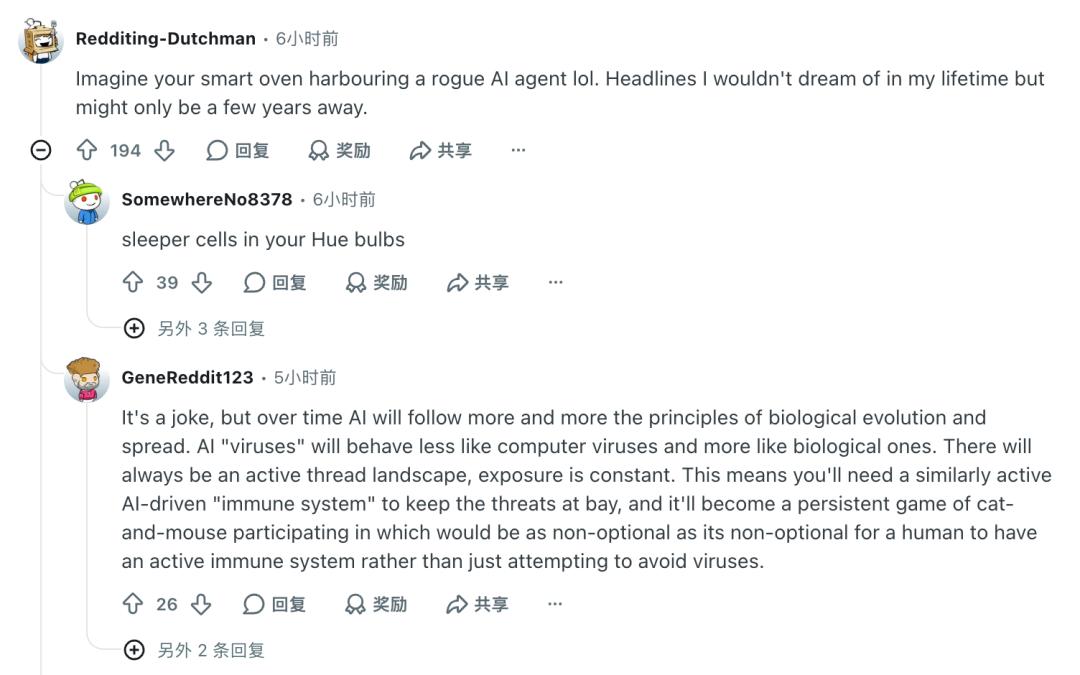
Anthropic Shocking Study: AI Could Self-Replicate Through TV Boxes
Anthropic's Frontier Red Team published research examining whether AI could replicate, run, and spread across devices autonomously, like a computer virus. The team ran a 26B-parameter model across 15 low-cost Android TV boxes and found that small models can increasingly adapt to unfamiliar hardware. The experiments were conducted in isolated environments, not real-world networks.