AI Business36氪
The End of AI Is Loans
AI Summary
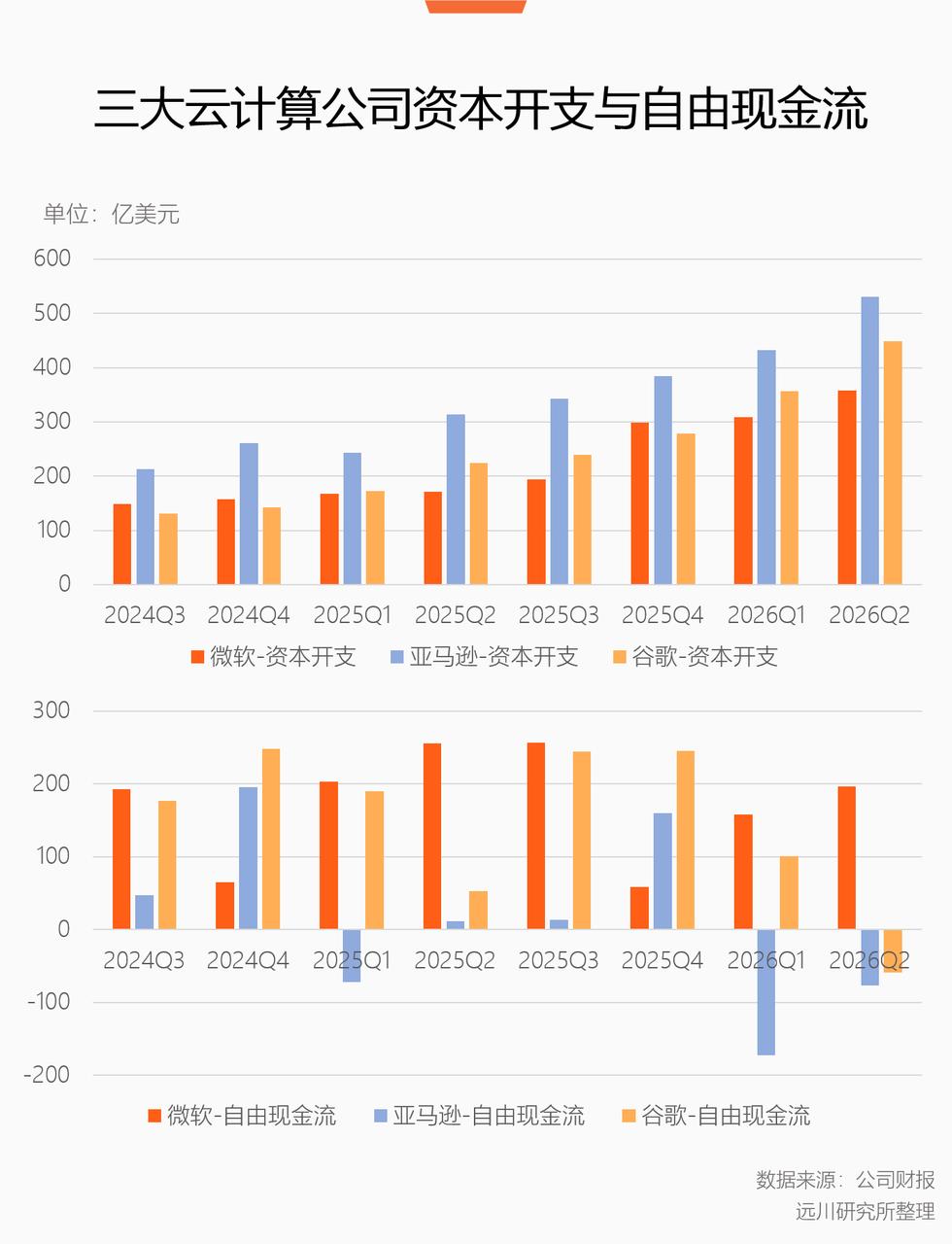
Tencent and ByteDance are raising large bonds and bank loans to fund AI investment. Big tech and chipmakers such as Alphabet, Amazon and Broadcom are also expanding AI infrastructure on heavy debt, and global AI-related bond issuance has surged this year.
AI Insights
The article shows that the AI boom is increasingly financed by debt rather than free cash flow: Tencent and ByteDance, US hyperscalers, and chipmakers like Broadcom are issuing bonds and loans at record scale, while OpenAI's projected cumulative negative free cash flow of roughly $278 billion highlights a structural gap between upfront infrastructure spending and delayed revenue. This creates systemic risk where cloud providers, chip vendors, and investors like SoftBank become interconnected creditors, so any slowdown in AI revenue growth or rise in borrowing costs could trigger broader financial stress across the tech sector.
Analysis written by AI from the original article. Check it against the source.
Translated text
Related News

AI BusinessIT之家
Refusing the Ruling: Anthropic Pushes Back Against US Government's AI 'Supply Chain Risk' Designation
Anthropic has asked a US federal appeals court to reconsider a ruling that upheld the Trump administration's designation of the AI company as a supply chain risk to national security. The company argues the panel misinterpreted the law and that the designation is retaliation for its public statements on AI safety. The case will help determine whether the federal government or private companies control safety safeguards for AI technology.

AI BusinessIT之家
OpenAI Saudi-Born Engineer Arrested by FBI for Secretly Installing Recording Device in Executive Conference Room
According to the U.S. Department of Justice, the FBI arrested Abdulrahman Alfozan, a Saudi-born engineer at OpenAI, on charges of secretly installing a USB-sized recording device in an executive conference room at the company's San Francisco office. OpenAI fired the employee and referred the case to federal investigators.
AI Business虎嗅
AI Personal Assistants, AI Phones and Embodied Intelligence Have Yet to Find Real Demand
A Chinese investment columnist outlines Zeng Ming's three-stage model of AI: infrastructure, mass application, and AI-native applications. He argues that only AI Q&A and AI programming have truly monetized so far, while AI personal assistants, AI phones and embodied intelligence remain driven by corporate strategic ambitions rather than genuine consumer demand.